

When an elderly person needs to use a cane, how should you choose a cane for them?
When choosing a walking stick, the following main factors need to be considered:
1. Type
Canes are mainly divided into the following types:
- Single-leg cane : also known as a T-shaped cane, it is suitable for elderly people who need light support, and it is also the most common style.
- Four-legged cane : Provides more stable support and is suitable for elderly people with mobility issues who need more balance.
- Folding cane : Usually a single-leg cane is designed to be foldable, so that the elderly can easily put it into a backpack or handbag after folding it, making it easy to carry with them for emergencies and suitable for travel.
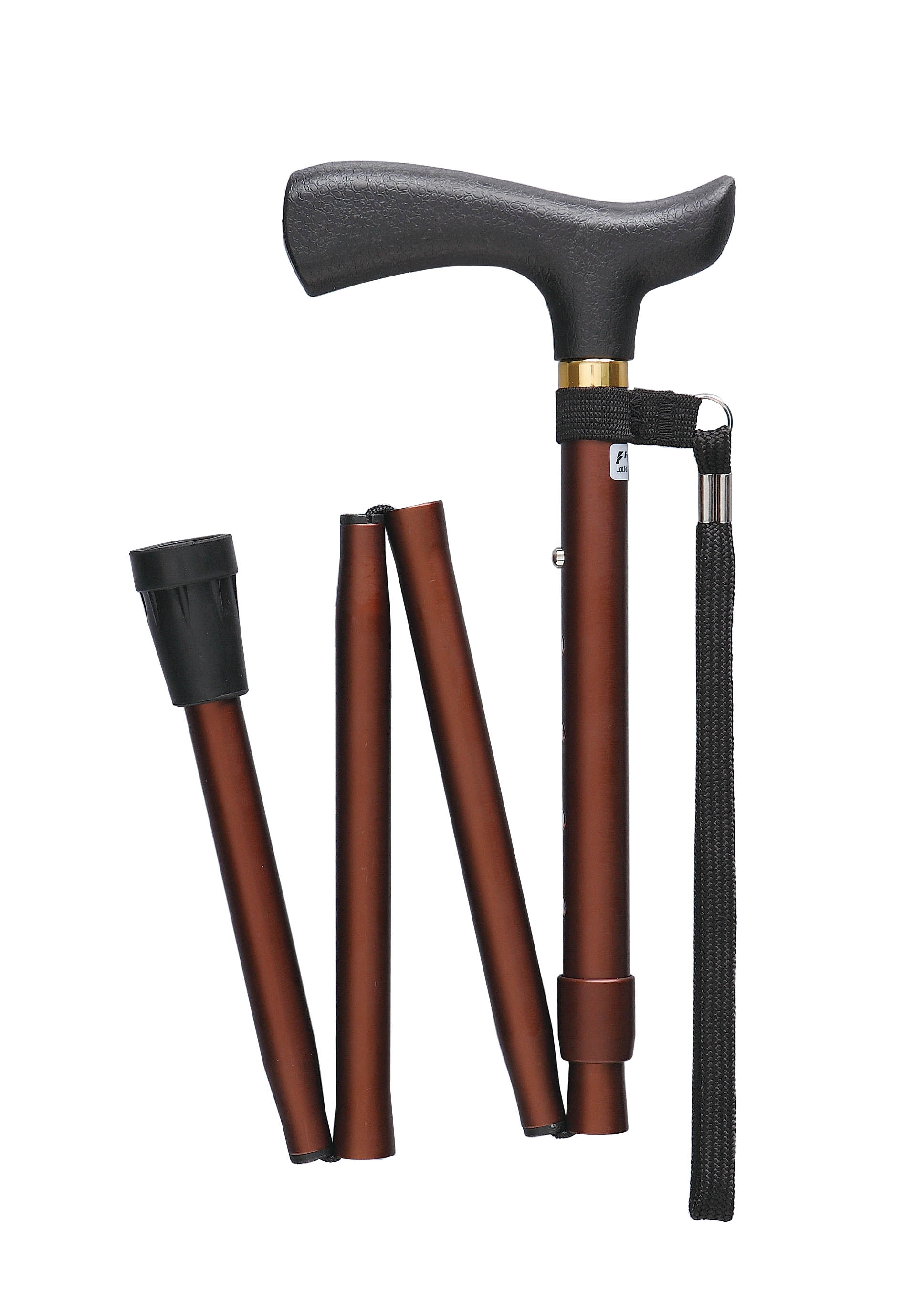 Fuji Home folding cane from Japan allows seniors to easily carry it with them !
2. Material
The materials used in making a cane affect its weight, durability, stability, and aesthetics. Common cane materials include :
- Aluminum/Aluminum Alloy: Lightweight and durable, suitable for long-term use by the elderly, and is a commonly chosen cane.
- Wood: It looks beautiful but is relatively heavy, making it suitable for people with good hand strength who need less strain.
- Carbon fiber: extremely light and strong, but relatively expensive and rarely seen on the market.
3. Weight
The weight of the cane is an important factor to consider. A cane that is too light may make the elderly feel less secure and difficult to use for leverage; a cane that is too heavy, while providing more stability, may be more strenuous to use and carry. Therefore, when purchasing a cane , ensure that the elderly can use it comfortably , especially for situations where they need to use it for extended periods .
4. Anti-slip bottom
The bottom of the cane should have a non-slip rubber pad, which increases grip on various surfaces, improves friction with the ground, and prevents tripping while walking. Some canes are specially designed with suction cup-shaped bottom plugs that change according to the ground surface, further enhancing stability.
5. Grip
The handle should be ergonomically designed to ensure that seniors can use the cane comfortably for extended periods . The material should be soft and non-slip to provide a comfortable grip and increase the cane's support.
6. Height Adjustment
The ideal height for a cane is when the elderly person is standing naturally with their arms hanging naturally at their sides, and the cane handle is adjusted to wrist position. When using the cane, the elbow should be slightly bent at approximately a 30-degree angle; this is the most suitable cane height . Therefore, it is essential to ensure that the cane height is adjustable so that it can be adjusted appropriately according to the elderly person's height, ensuring a comfortable wrist angle during use.
7. Additional features
Some canes come equipped with LED lights, seats, or other assistive features, which can be selected according to individual needs and budget. Some elderly people like to attach cane hooks to their canes so that they can be securely hung on a table. It should be noted that additional features may increase the weight of the cane.
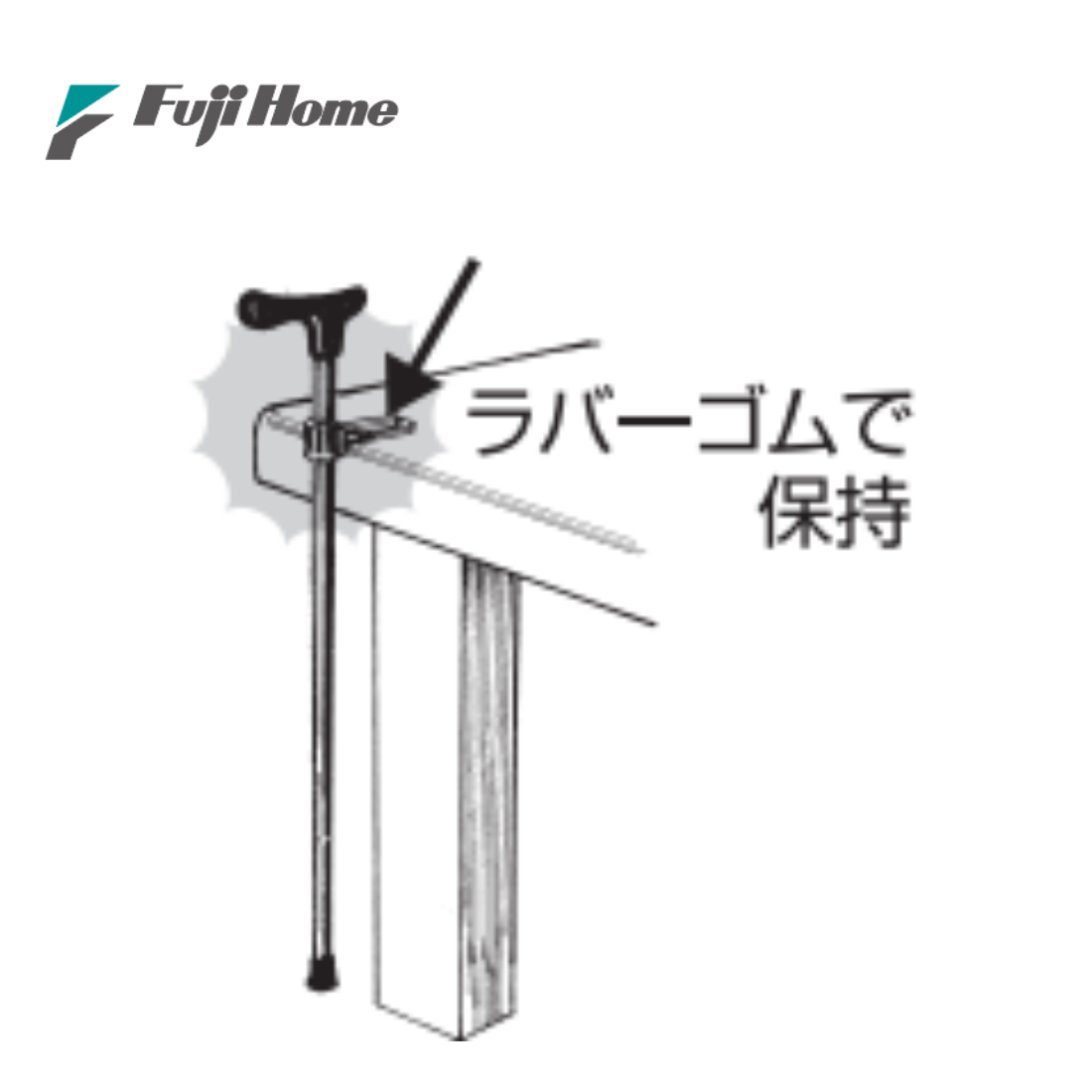 Fuji Home cane hooks from Japan solve the problem of seniors falling down their canes!
8. Trial use
Elderly people also have personal preferences, and their feelings should be respected. Before purchasing, if possible, it is best to take the elderly person to try out the cane in person to ensure that the comfort and stability meet their preferences and needs.
Conclusion
Canes are an important mobility aid for the elderly . Choosing the right cane can improve the safety and comfort of the elderly when walking. Therefore, it is very important to select one based on the needs of the elderly and their environment.


