

Patented bionic bone waist belt
Back pain and discomfort are often more than just a temporary nuisance. For many, it's a persistent problem that limits their ability to work and perform daily activities. Common culprits causing back discomfort and pain include herniated discs and degenerative disc disease ( DDD ).
Causes of lower back pain :
Natural aging: As we age, the intervertebral discs lose their elasticity, resilience, and shock absorption capacity.
Fluid loss: Intervertebral discs may lose fluid, become thinner, and reduce their cushioning capacity.
Microcracks: Daily activities and minor injuries can cause small cracks to appear in the outer layer of the intervertebral disc, releasing its jelly-like substance.
Lumbar disc herniation: Potential causes include:
Aging: As we age, wear and tear can make the intervertebral discs more prone to protrusion.
Muscle fatigue: Using your back instead of your legs to lift weights may pose risks.
Injury: A direct impact or injury to the spine can cause a herniation.
Incorrect sitting posture : Prolonged computer use with shoulders bent forward can compress the spine.
Common symptoms:
Pain: Usually occurs in the lower back, but may extend to the hips and legs.
Numbness or tingling: commonly seen in the legs or feet.
Weakness: Muscles affected by damaged nerves may become weak.
Limited mobility: Stiffness or limited movement may occur.
Note : Individuals with degenerative disc disease or herniated disc may not experience the above symptoms !
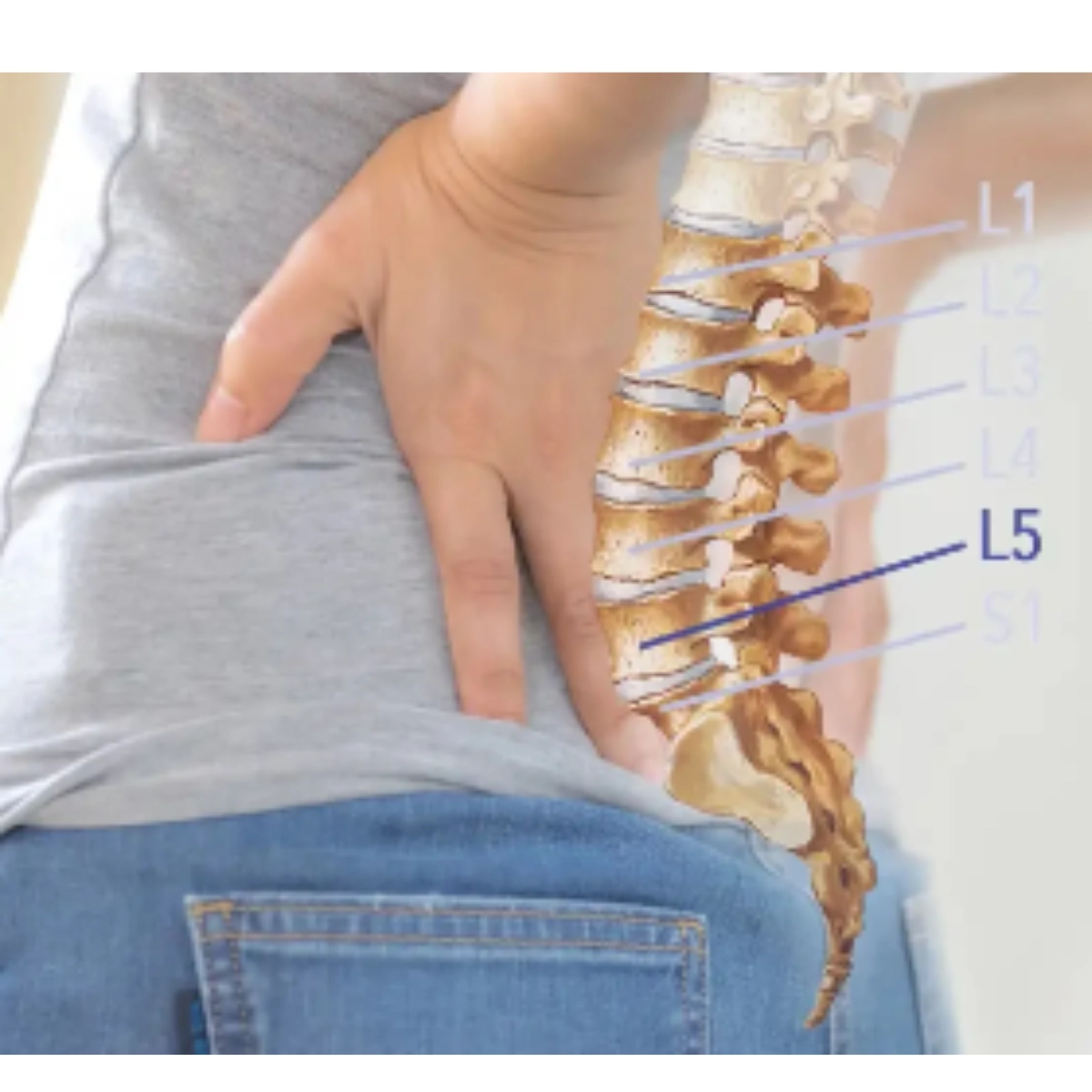
Spinal problems, such as herniated discs or degenerative disc disease ( DDD ), often cause pain, discomfort, and limited mobility. A recommended non-invasive (non-surgical) solution for relieving these symptoms and promoting recovery is the use of a lumbar support belt.
Stability: Herniated or degenerated discs can lead to spinal instability. A lumbar support belt provides an external support structure that stabilizes the affected spinal segment. This limits excessive or abnormal movement, allowing the area to heal and preventing further injury.
Reducing micromovements: For people with DDD or herniated discs, even the slightest movement (called micromovements) can worsen pain. Braces restrict these micromovements at the site of spinal injury or aggravation, often providing immediate pain relief.
Pressure redistribution: Lumbar support belts are designed to distribute pressure evenly across the lumbar region. This reduces direct pressure on affected intervertebral discs, helping to relieve pain and discomfort.
Postural support: Maintaining proper posture can be challenging for people with DDD or herniated discs. A lumbar support belt helps maintain an upright posture by supporting the natural curvature of the spine. This ensures that damaged discs do not experience additional stress.
Rehabilitation support: By limiting movement and providing stability, lumbar support belts create an environment conducive to rehabilitation. When the spine is stable, nerve stimulation is reduced, allowing the body to focus on repairing damaged or worn tissues.
Pain management: Pain relief is a direct benefit of wearing a lumbar support belt. By stabilizing the affected area, reducing pressure, and supporting posture, a lumbar support belt can effectively reduce or manage pain, allowing individuals to continue daily activities with reduced discomfort.
The recommendations should be followed when wearing a waist belt.
Wearing a waist belt is a crucial factor for success. However, for some people, wearing a waist belt may have some impact on daily work, such as interfering with daily activities. For example, a waist belt that is too bulky or too constricting may cause discomfort.
View waist belts as a positive aid. One study found that waist belts are more effective when people perceive them as potentially beneficial and have a positive attitude towards their effects.
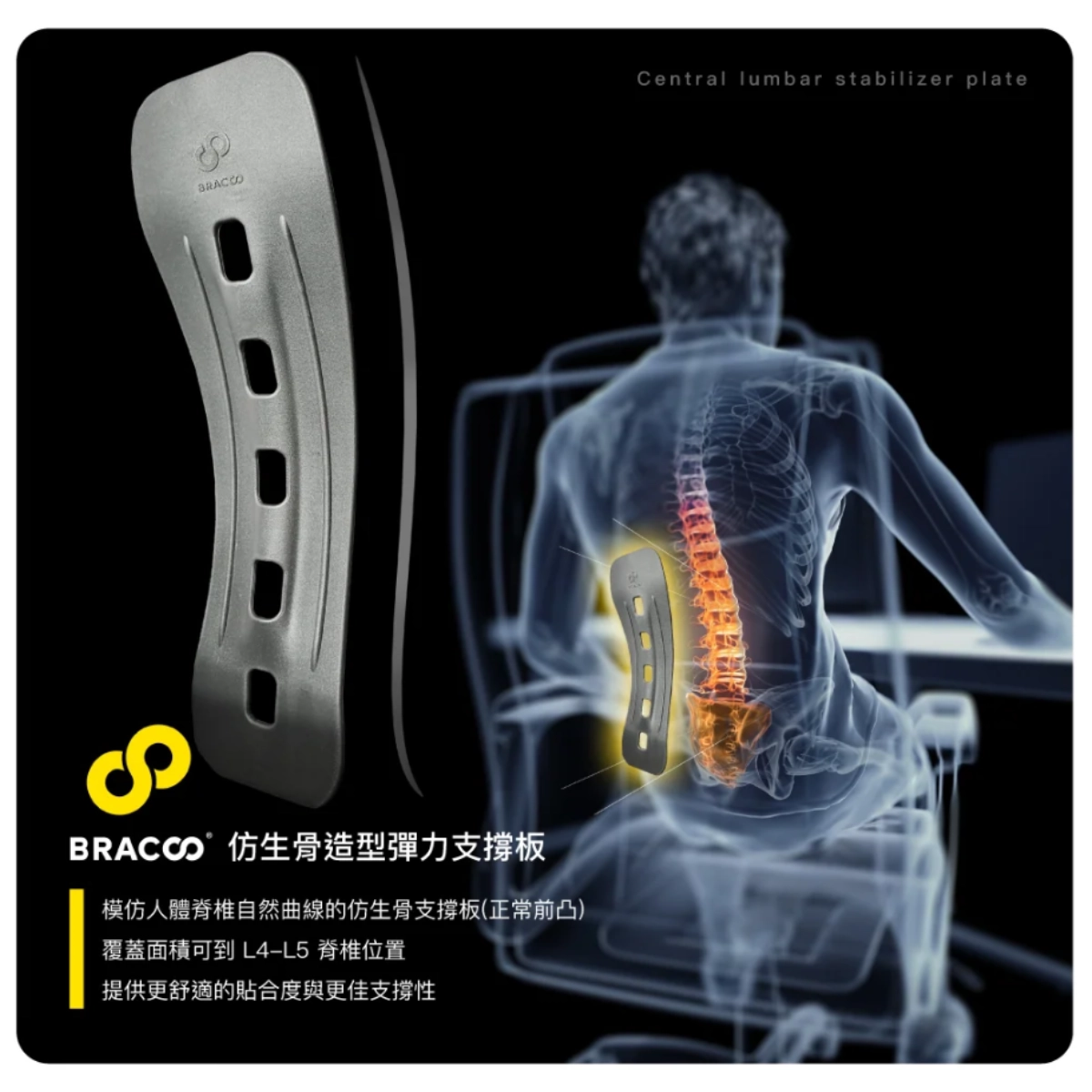
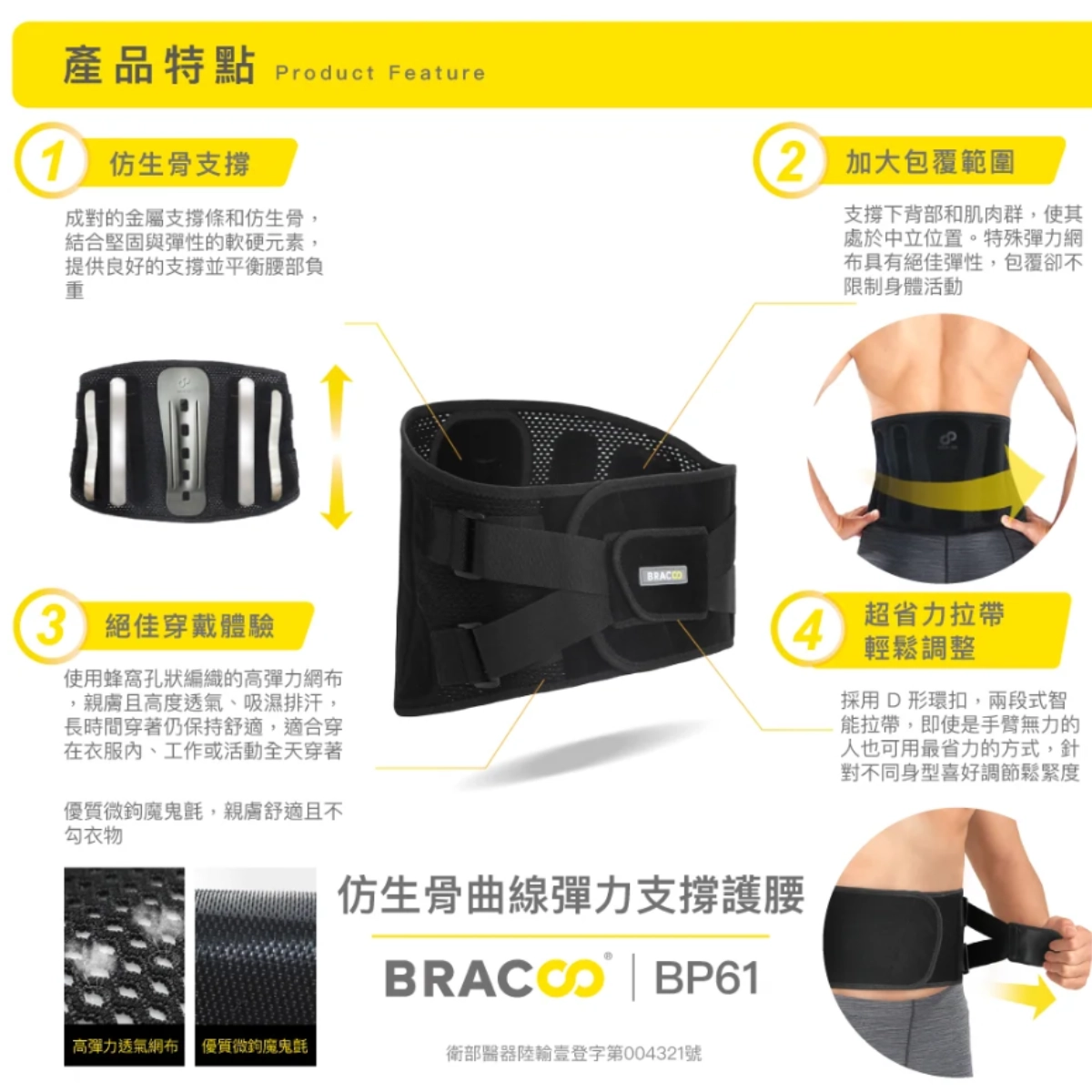
Bracoo BP61 Bionic bone waist belt , providing full coverage for L1-L5 This device is suitable for people with lower back pain or lumbar disc herniation.
The material's breathable and perforated design greatly reduces the feeling of stuffiness.
Its ergonomic design effectively fits the body, and will not affect the activity space when dealing with different work and sports, thus adapting to the needs of life.
#Waistband
#Bionic Bone
#Herniated Disc


